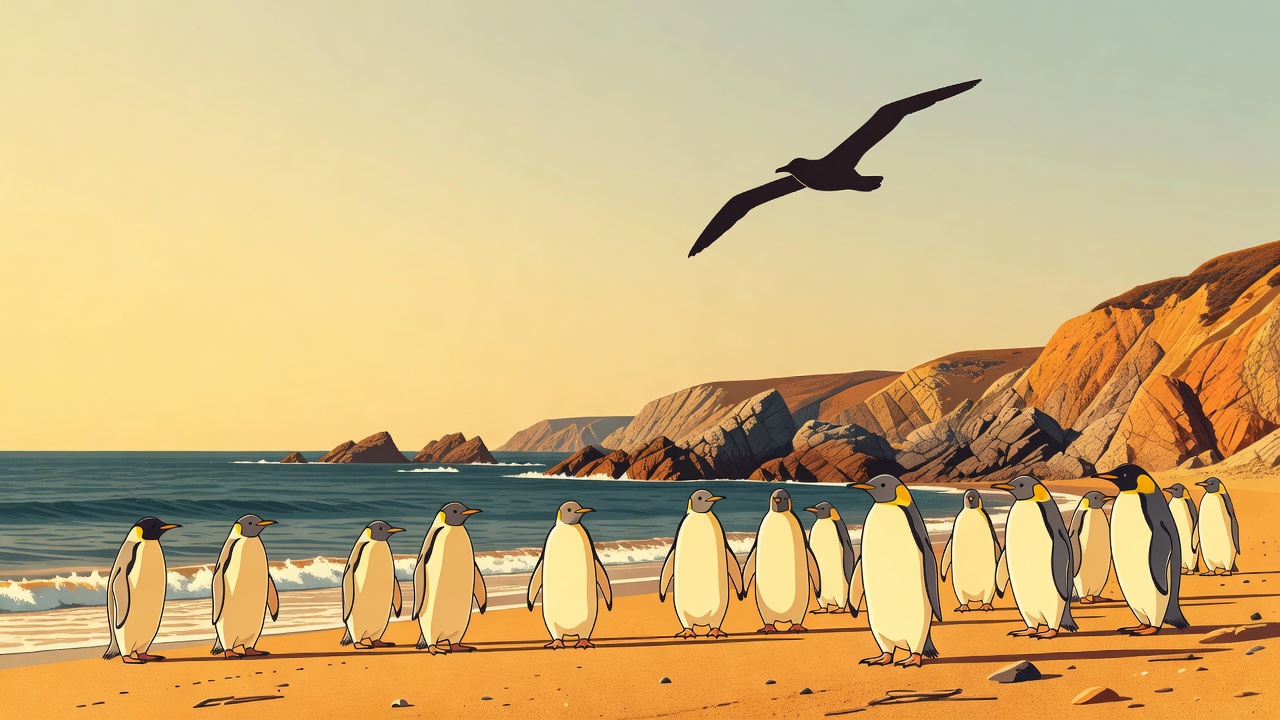
Read the itinerary as a set of possibilities
A southern island expedition is not a sequence of guaranteed shore appointments. Wind, swell, wildlife congestion and official restrictions can alter a landing after a ship has arrived nearby. Choose an operator whose briefings explain this clearly, and read the terms for itinerary changes before booking. Ask about the vessel, time at sea, landing arrangements and medical capability. Remote evacuation may be difficult or delayed, so travel insurance and medical advice need to reflect the actual route rather than a generic cruise description.
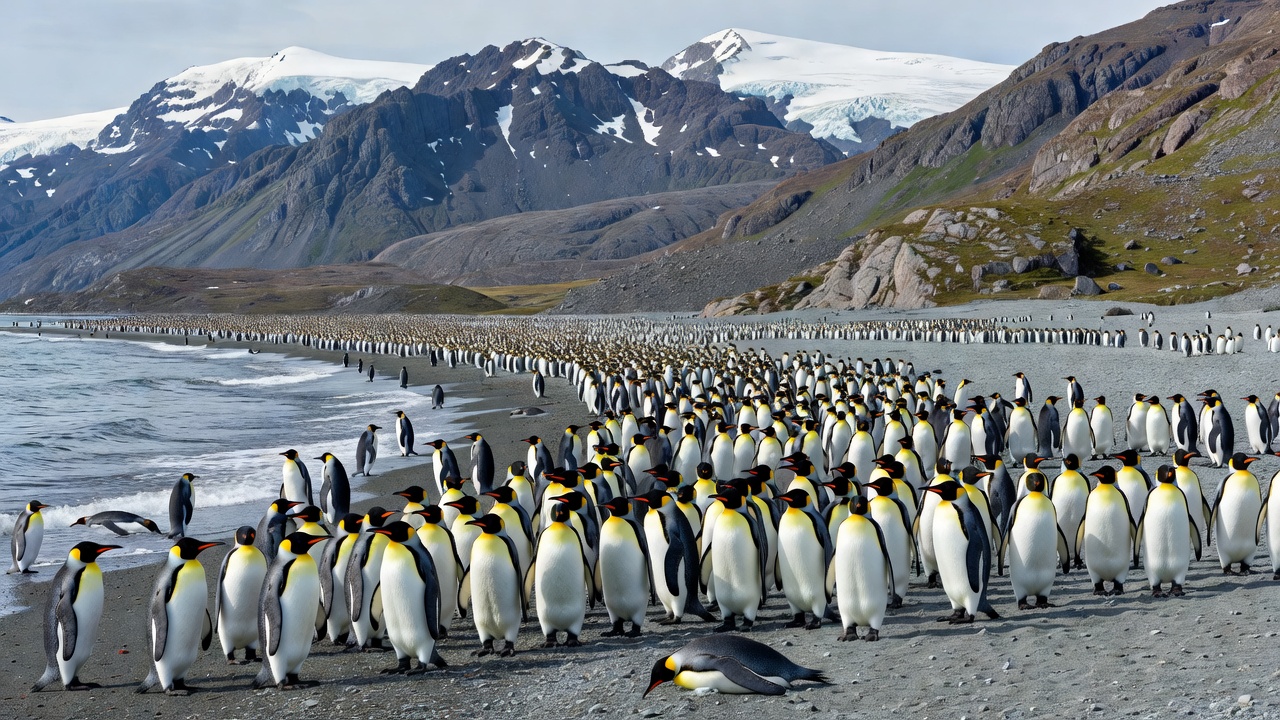
Austral summer, broadly November through March, provides the main starting window for many southern wildlife voyages, but each destination and species has its own rhythm. Courtship, incubation, chicks and fledging are not interchangeable experiences. A large king penguin colony can contain different stages because of the species' extended breeding cycle. Do not choose a departure solely from a photograph labeled “summer.” Ask what the specific itinerary can reasonably reveal, and what might prevent a visit to its most sensitive sites.
South Georgia: scale with strict conditions
South Georgia is associated with immense king penguin colonies, breeding albatrosses and a demanding subantarctic coastline. Access depends on authorized expedition arrangements and current government requirements. The Government of South Georgia & the South Sandwich Islands publishes visitor and biosecurity information that should inform your planning. An operator's itinerary is not a substitute for current restrictions. Wildlife disease measures can change which sites are available and how visitors move ashore.
Biosecurity starts before the first landing. Clean footwear soles, inspect hook-and-loop fastenings, remove seeds from pockets and bags, and follow the expedition team's inspection and disinfection procedures. Once ashore, give penguins a clear passage between sea and colony. Stay out of crowded wildlife corridors and follow directions around seals as carefully as those around birds. Where a bird approaches, remain calm and create space when safe; do not turn the approach into an opportunity for contact or a close portrait.
The Falkland Islands: a different way to travel
The Falkland Islands can offer both expedition calls and land-based birdwatching, depending on transport and accommodation arrangements. Black-browed albatrosses and several penguin species are among the reasons birders research the islands, but distribution varies between sites. Choose accommodation near the habitats that matter to you and check whether transfers, guides and access permissions are included. Long road journeys, small-aircraft schedules and limited services can shape the day more than a map suggests.
Much birdwatching takes place within working landscapes. Respect gates, livestock, private property and the instructions of landowners or local guides. Coastal ground can conceal burrows and nests, and a short-looking walk may cross uneven terrain in strong wind. There is no universal distance rule that replaces judgment: use site requirements as the minimum, then increase space if birds react to you. Quiet observation from a stable position is usually more productive than continually repositioning for a closer view.
Macquarie Island: protection before access
Macquarie Island lies far south of Australia and is known for royal penguins, king penguins and other seabirds. It is a protected reserve with tightly controlled access, not a destination for an independent casual landing. Research current requirements through Tasmania Parks and Wildlife Service and authorized expedition providers. A voyage advertised for the region may still face changes in permits, weather or available landing sites. Ask specific questions before treating the island as a fixed highlight.
The conservation history of invasive-species management is especially relevant on remote southern islands. Visitors can help prevent new introductions only by taking routine procedures seriously. Equipment that was clean at home may collect soil or seeds at an earlier stop, so inspections must be repeated. Never take natural souvenirs, including feathers, bones or plants. Avoid sitting or placing bags where staff prohibit it, particularly when disease precautions are in force. Consistency matters more than whether any one item looks obviously contaminated.
Prepare for the hours between landings
Some of the most memorable observations occur from the ship, when albatrosses and petrels use the wind around open water. Learn safe deck routines, secure loose equipment and avoid leaning beyond rails for an identification. A notebook can record wing shape, flight style and viewing conditions when a confident name is not possible. Discuss seasickness preparation with a qualified clinician where appropriate, pack layered clothing and dry protection, and accept a canceled landing without pressure on the crew. A successful southern journey is attentive, safe and light in its effects on the shore.