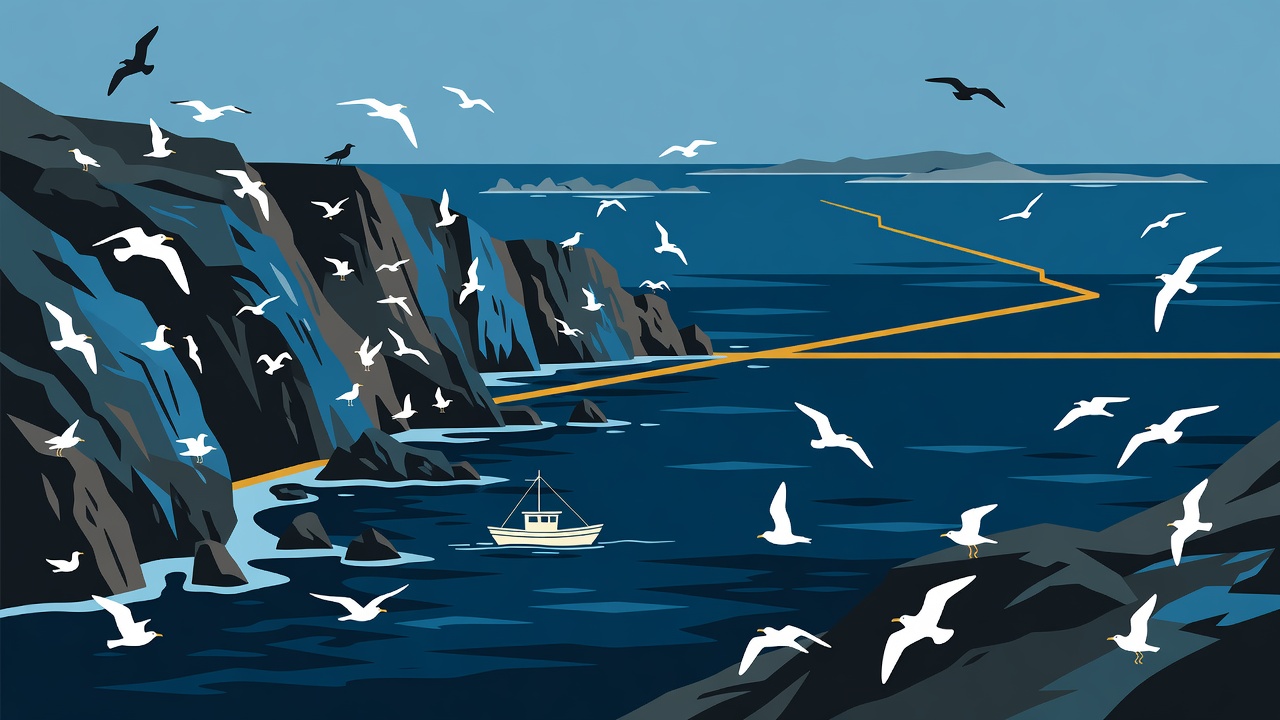
The crossing is the first field decision
Remote Atlantic birdwatching begins with a transport question rather than a species list. Can you reach the island, stay long enough to understand it, and leave without relying on a single unprotected connection? Small aircraft, ferries and excursion boats respond differently to wind, visibility and swell. A clear sky does not guarantee a safe landing. Before paying for onward travel, ask operators about cancellation arrangements and whether accommodation can extend a stay. Leave a buffer on the mainland, particularly when a long-distance flight follows the island visit.
Isolation brings two distinct rewards. Large seabird colonies depend on suitable nesting ground near productive water, while migrants may use small islands as temporary shelter during longer crossings. Neither pattern makes every day busy. A cliff that seems full in June may be largely empty later in the year, and a migration hotspot can be quiet under settled weather. Build a plan around the ecological event you want to observe, then accept the daily variation within it.
Fair Isle: let passage take its time
Fair Isle lies between Orkney and Shetland, with access arrangements that require advance checking. Spring passage broadly falls in April and May, while late summer and autumn can bring a changing mix of migrants. Wind direction influences arrivals, but reading a forecast is not a method for ordering a rarity. Common migrants feeding in sheltered ground can reveal as much about the island's role as an exceptional visitor. Give exhausted birds space, avoid repeated approaches, and never enter gardens or working areas without permission.
In the breeding season, Atlantic puffins and other seabirds offer a different focus. Watch from established places and keep well back from cliff edges and concealed burrows. Fair Isle is a community, not an open-air hide; paths, gates and local requests matter. The Fair Isle Bird Observatory is a useful starting point for current visitor information, but do not assume beds, services or transport are available until they have been confirmed directly.
St Kilda: a landing is never owed
St Kilda, west of the Outer Hebrides, offers a powerful sense of seabird scale. Northern gannets, fulmars and puffins are part of its breeding story, but weather and sea conditions determine how much a visitor can experience. Excursions commonly depend on a substantial sea journey, and a boat reaching the archipelago may still be unable to put passengers ashore. Check the operator's definition of a completed trip and prepare for a rewarding offshore view rather than treating a landing as the only successful outcome.
Hirta's cultural landscape and wildlife require equal care. Follow the National Trust for Scotland's St Kilda guidance, stay clear of fragile structures and nesting areas, and do not approach cliff colonies for a photograph. Summer gives a broad breeding-season starting point, not a universal timetable for every species. Birds can leave their breeding ledges after nesting; late-season travel should be chosen for the whole landscape rather than an expectation of peak colony attendance.
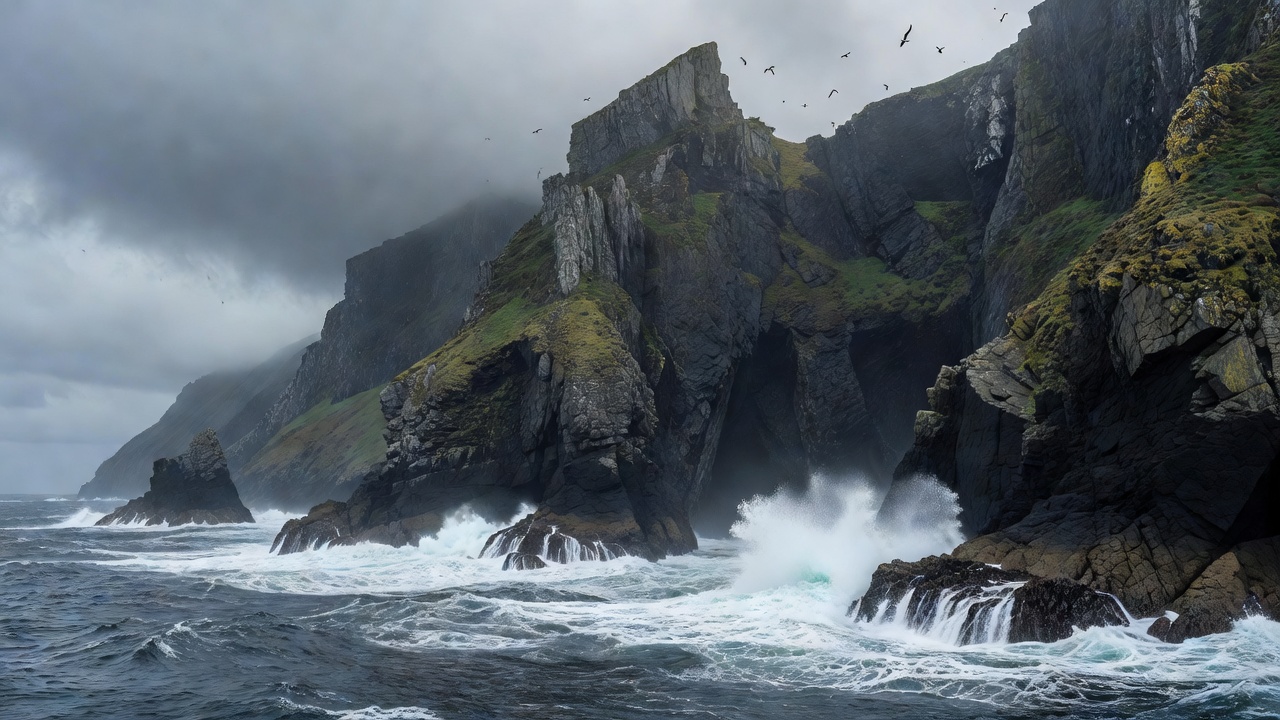
The Azores and Faroes: different Atlantic rhythms
The Azores should not be treated as a southern version of Fair Isle. On São Miguel, the Azores bullfinch is associated with native vegetation in the island's east, where habitat restoration is central to its survival. A forest walk with local expertise is more appropriate than searching randomly along roads. Offshore, Cory's shearwaters connect the archipelago with a much larger marine landscape. A pelagic outing adds exposure to sea conditions and seasickness, so match boat time and vessel type to your experience.
In the Faroe Islands, Mykines is well known for seabird interest, but access rules, guide arrangements and path closures need checking before every visit. Puffin burrows make apparently solid grassy ground vulnerable. A photograph is not worth stepping off the permitted route. More generally, the North Atlantic's summer light can encourage visitors to stay out longer than intended: keep enough energy for steep ground, sudden fog and the return journey. A calm, observant day is more useful than an overextended itinerary.
Choose a route that can withstand a quiet day
For a first journey, select one island base and one main seasonal interest. Fair Isle suits patient observation of changing arrivals; St Kilda emphasizes an exposed colony landscape; São Miguel adds forest conservation to oceanic birding. The best itinerary has room for local advice and an ordinary day without a rare species. Carry waterproof layers, protect optics from salt, and check insurance for missed connections and boat travel. The birds are not an appointment. Your responsibility is to arrive prepared and leave their habitat undiminished.