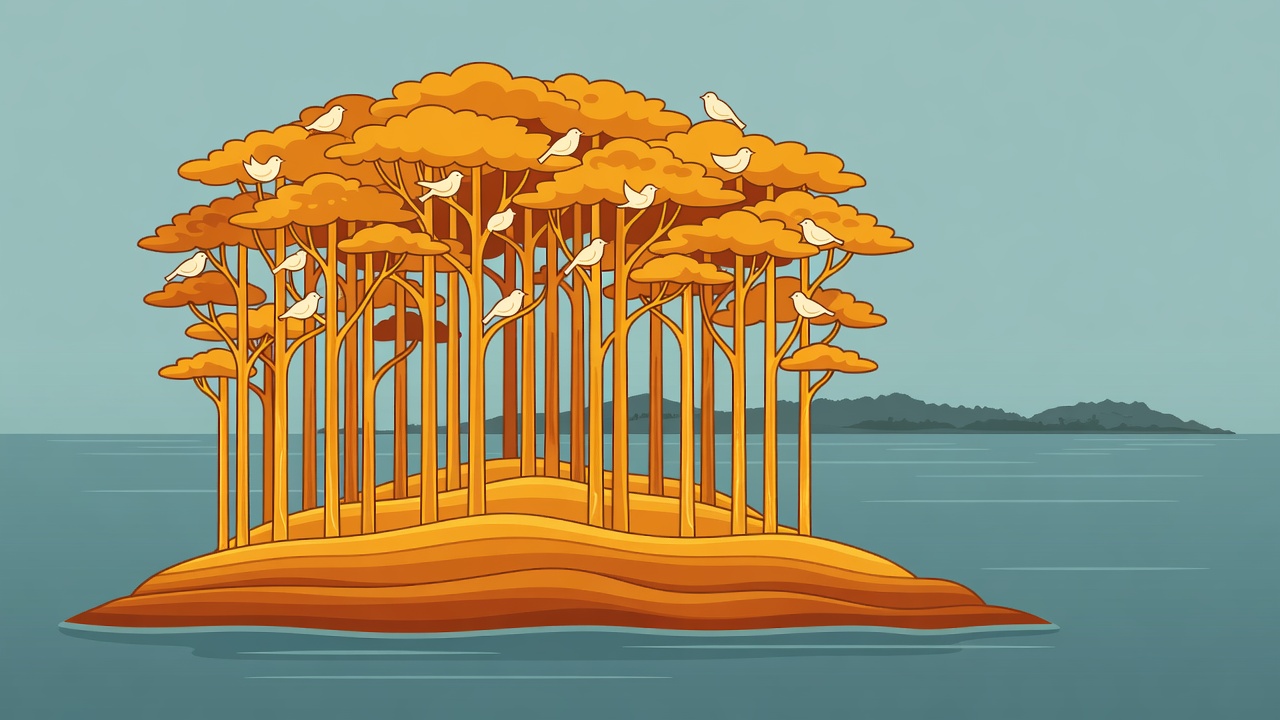
Begin with the reserve, not the resort
Travel to the Seychelles or Mauritius can look simple on a flight map, yet reaching the habitat of a restricted-range bird may involve a separate boat, a guided reserve visit or a careful drive into wet upland forest. Plan those pieces before choosing a coastal base. Ask how long transfers take, whether reserve visits operate on your dates, and what happens when sea conditions prevent landing. A nearby island is not necessarily an easy excursion, especially when its landing beach faces swell.
The central story here is not untouched wilderness. Many important bird habitats survive because of sustained restoration, invasive-species control and protection. Understanding that work makes a visit richer and sets appropriate expectations: boundaries, escorted routes and limits on visitor numbers are part of the conservation system. A bird that is now visible on a short guided walk may once have been close to disappearing. Ease of observation should not obscure the effort required to maintain its habitat.
Cousin Island: a small place with a wider lesson
Cousin Island Special Reserve in the Seychelles is strongly associated with the conservation story of the Seychelles warbler and other native birds. Visits are managed rather than informal beach arrivals. Check arrangements with Nature Seychelles and an authorized local provider, including departure points, landing conditions and the current visitor schedule. Follow the guide's route and instructions even when birds appear close. Nesting activity can be difficult to recognize, particularly when the observer is concentrating on identification.
A patient walk may reveal the relationship between vegetation structure, food and bird behavior more clearly than a hurried species search. Keep conversation low, let other visitors obtain a view without surrounding the bird, and avoid repeated playback. In a small reserve, the cumulative effect of many seemingly minor disturbances matters. Do not carry seeds, soil or insects between islands, and follow any inspection or cleaning process. Biosecurity is a practical expression of respect for the work that makes the reserve possible.
Aride: seabirds alongside island woodland
Aride Island Nature Reserve offers another perspective on the Seychelles, combining terrestrial habitats with substantial seabird interest. The island's exposed setting means landing can be difficult or suspended, so a flexible plan is essential. The southeast trade-wind period can bring rougher conditions to some transfers; it should prompt specific questions rather than a blanket assumption that a visit will or will not operate. Ask the reserve or a responsible local provider about current access, not just the season described in a guidebook.
Seabird attendance and breeding activity vary by species. A reserve known for colonies may not present the same spectacle in every month, and hot, humid walks can be more demanding than their short distance suggests. Carry adequate water, protect yourself from sun and insects, and keep equipment light enough to manage safely during the transfer. Birdwatching on small islands often involves waiting for a quiet view, not covering great distances. A compact pair of binoculars can be more useful than cumbersome photographic equipment.
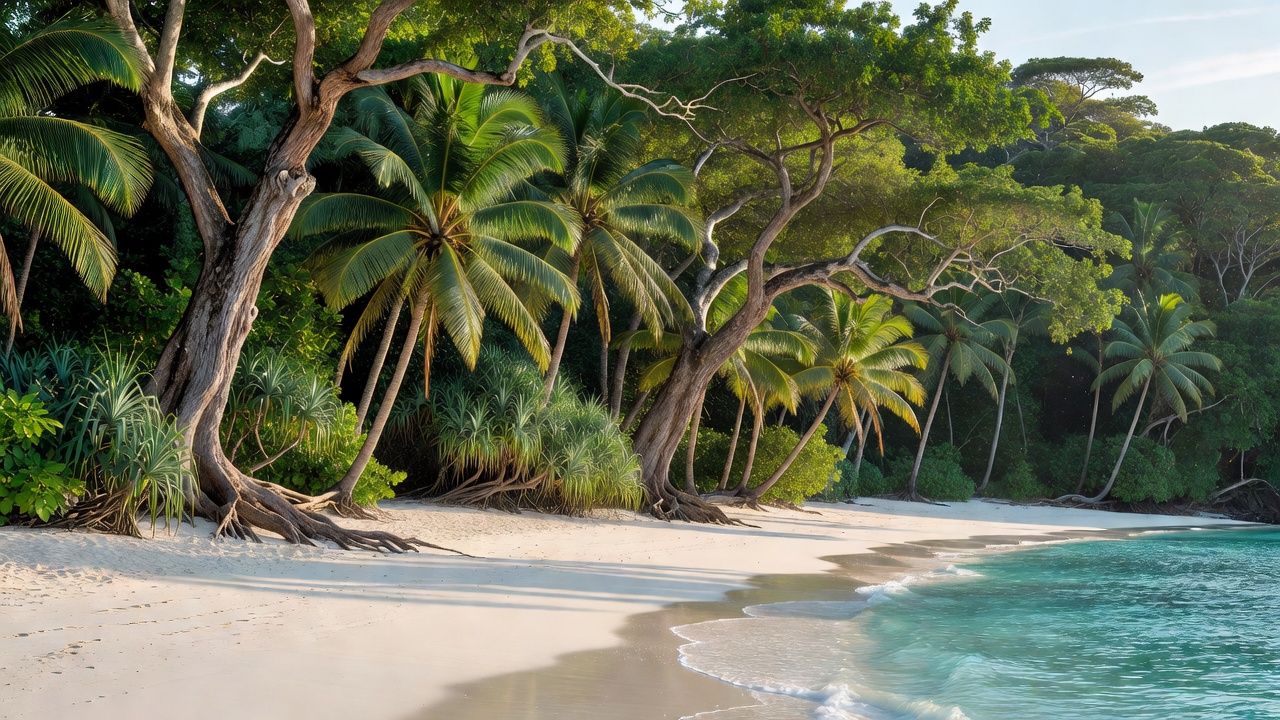
Mauritius: recovery in fragments of forest
On Mauritius, Black River Gorges National Park provides a starting point for understanding native upland habitat and birds such as the Mauritius kestrel, pink pigeon and echo parakeet. Their conservation histories differ, and none should be treated as a guaranteed trail encounter. A knowledgeable guide can help choose suitable public routes and interpret calls without approaching sensitive nest areas. Weather changes quickly in uplands; footwear with grip and a waterproof layer are useful even when the coast was bright at breakfast.
Île aux Aigrettes offers a more concentrated introduction to ecological restoration through managed visits. Consult the Mauritian Wildlife Foundation for current information and booking arrangements. Guided access helps explain why native vegetation, predator management and species recovery belong in the same story. Do not wander away from the group to improve a photograph. Paths and visit procedures are not simply conveniences for tourists; they help separate visitor activity from ongoing conservation work.
Choose conditions you can observe well in
There is no single Indian Ocean birdwatching season that serves every island, species and boat transfer. Compare rainfall, heat, wind exposure and local breeding information for the particular sites you want. Allow at least one alternative day for a sensitive crossing and include an accessible land-based option if it is canceled. Before travel, check entry requirements, health advice and insurance appropriate to your activities. The strongest trip is not the one with the longest target list, but the one that supports responsible access and leaves you time to understand a small, irreplaceable habitat.